Male Incontinence Solutions – Pelvic Floor Support with Kegel8 V For Men
Incontinence is a condition that mainly affects women due to effects of childbirth and the menopause on the pelvic floor. However, it is also a common condition in men. Increasingly so with age, with over 10% of men over the age of 65 suffer with a degree of urinary incontinence. This increases the chance of moving into a care home and your chance of suffering with bowel incontinence as well.
What is Male Incontinence?
Incontinence is recognised as the accidental leakage of urine, or faecal matter. It can be an embarrassing condition to suffer with and negatively impact your self-esteem and happiness.
Male incontinence is a growing problem, with 1 in 4 men suffering from urinary incontinence at some point during their life. The NHS estimates that between 3 and 6 million people in the UK have some degree of urinary incontinence; so if you suffer you are not alone.
.gif?w=814&h=366&_f=1)
What Causes Male Incontinence?
For the urinary and bowel systems to function properly, the muscles and nerves must work together in order to hold in urine and faeces, and then release at the right time. Conditions that affect this functionality and thus cause issues with continence include:
- Weak pelvic floor muscles - Your pelvic floor and its muscles are responsible for supporting your bladder and bowel. If they are weakened, it can lead to the development of a pelvic floor disorder such as incontinence.
- Diet - Certain drinks, foods, and medications may act as diuretics. Stimulating your bladder and increasing your volume of urine. These include; alcohol, caffeine, carbonated drinks, artificial sweeteners, foods that are high in spice, sugar or acid, and large doses of vitamin C.
- Age - Aging of the bladder muscle can decrease the bladder's capacity to store urine.
- Enlarged prostate - Common in older men, incontinence is often a result of enlargement of the prostate gland. You can test your prostate health at home using the SELFCheck Prostate Health Test Kit – PSA Home Screening for Men.
- Prostate cancer - Incontinence is associated with both untreated prostate cancer, and as a side effect of the treatment for cancer.
- Chronic cough - Persistent coughs, brought on by smoking or lung conditions, cause strain to your pelvic floor muscles and can weaken them over time.
- Obesity - Extra weight on your midsection can place unnecessary pressure on your bladder and pelvic floor. This extra weight is multiplied when you begin exercising - so it is best to maintain a healthy weight.
- Lack of physical activity - Although being active may increase urine leakage short term, being inactive leads to weight gain and decreases overall strength. This results in urinary incontinence symptoms worsening.
- Bladder or urinary tract infections - Infections can irritate your bladder and cause you to have a strong urge to urinate leading to urge incontinence. Consider taking a urine infection test. Home Test kit for urine infection test here
- An obstruction in the urinary tract - A tumour within your urinary tract can block the regular flow of urine, leading to an overflow of incontinence. Urinary stones (hard masses that form in the bladder) can sometimes cause urine leakage.
- Neurological disorders - Diseases such as Parkinson's disease, Alzheimer's disease, and multiple sclerosis can interfere with your brain's ability to properly signal your bladder and urinary tract. NMES (Neuromuscular Electrical Stimulation) can help with urinary incontinence in men with neurological disorders, but the effectiveness depends heavily on the condition, severity, and how it’s used.
What Are The Different Types of Male Incontinence?
Incontinence within men can occur in a variety of forms. These include:
- Urinary Incontinence - The inability to control bladder movements. This could just be a few drops of leaked urine, or a steady flow throughout the day.
- Stress Incontinence - Leaking urine when your bladder is under pressure, e.g. sitting, standing, coughing, sneezing etc.
- Urge Incontinence - A sudden urgency to urinate, and sometimes leaking before you go to the toilet.
- Nocturia - Frequently needing to urinate, including several times during the night.
- Post-micturition - Dribbling urine after you have finished urinating.
- Coital Incontinence - Leakage of urine when sexually aroused.
- Faecal Incontinence - The inability to control bowel movements.
How is Male Incontinence Diagnosed?
If you experience incontinence, you'll have to make a visit to your GP so that they can determine the type of incontinence affecting you. Try not to be embarrassed when speaking to your GP about your issue, as it is a common problem.
You will have to discuss your medical history in order for your doctor to gain a full perspective as to what could be causing the condition. You may have to give details regarding illnesses, surgeries, fluid intake, medicines (both prescribed and non-prescribed), as well as details about your incontinence.
Your doctor may suggest that you keep a voiding diary (bladder diary) to record your bladder habits for at least three days. This will give your GP a greater insight into your condition. This will include details such as:
- The amount of fluid you drink
- The types of fluid you consume
- How often you need to pass urine
- The amount of urine that you pass
- How many episodes of incontinence you experience
- How many times you experience a sudden urge to go to the toilet.
Your GP may also suggest a physical examination in order to assess the health of your urinary system. This would include your GP checking whether your prostate gland is enlarged. If it is, it can cause symptoms of urinary incontinence.
The Connection Between Prostate Cancer and Male Incontinence
A prostate cancer diagnosis—and any surgery that may follow—can be a challenging experience, both physically and emotionally. One of the most common after-effects men face is urinary leakage. This happens because prostate surgery can affect the body’s main bladder control mechanism, making it harder to hold urine as you once did.
You’re not alone in this. As more men undergo prostate procedures, conversations around bladder control are becoming more open—and importantly, more solutions are available.
After surgery, the pelvic floor muscles take on a much greater role in supporting bladder control. These muscles act like a safety net, helping to prevent leaks when the primary control system has been weakened. Strengthening them is a key step in regaining confidence and control.
Ideally, pelvic floor (Kegel) exercises are started before surgery to prepare the muscles. However, it’s never too late to begin. With the right support, these exercises can make a meaningful difference during recovery.
This is where targeted support, such as Kegel8 V For Men Pelvic Floor Exerciser – Male Incontinence & Bladder Control Trainer | Prostate Recovery Support can help. Designed specifically for male anatomy, it works by gently stimulating and strengthening the pelvic floor muscles—particularly useful if you’re unsure whether you’re exercising the correct muscles or struggling to see progress on your own.
Most importantly, improvement takes time. Recovery is different for every man, but with consistency and the right approach, bladder control can and often does improve.
What Treatments are Available for Male Incontinence?
Your form of treatment depends on a variety of factors such as severity, your lifestyle, and your preferences. Many men are able to regain control of their bladder or bowel by changing a few habits and doing exercises to strengthen the muscles that hold urine and stool in. These are a few ways in which your incontinence can be treated:
- Strengthening the pelvic floor muscles with Kegel8 V For men. Electrical impulses gently contract the pelvic floor muscles (including the sphincter). This helps rebuild strength, endurance, and coordination. Stronger muscles provide better support and improve closure of the urethra, reducing leaks.
-
Modulating nerve signals (the “calming” effect) this is where NMES becomes particularly interesting for bladder control. The bladder is controlled by a balance of signals between the brain, spinal cord, and pelvic nerves After surgery, these signals can become overactive or misfiring, causing urgency and involuntary contractions.
- Fluid management - Timing your food and drink consumption around your daily activities may help you better control your urge to go to the toilet. Instead of drinking large amounts of fluids at once, try to drink smaller amounts at regular intervals throughout the day.
- Bladder training - By actively delaying a trip to the toilet when you get the urge, you can train your bladder to gradually increase the amount of urine that it can comfortably hold. Scheduling trips to the toilet may help you to avoid urges, allowing your bladder and urinary tract to grow stronger. This is most effective when supported by a healthcare professional.
- Male incontinence pads - Absorbent incontinence pads, pants and other products can make life easier for you if you are waiting for diagnosis or for an incontinence treatment to work. They can help improve your situation but are not a treatment and should not be considered as such. If you are wearing incontinence pads for more than a month, then speak to your GP about a permanent solution to your incontinence.
- Male Incontinence Underwear - washable incontinence underwear for men. Washable protective underwear for men offers more than just leak management—it provides a built-in layer of defence for both skin and confidence. Designed with targeted absorbency and moisture-wicking fabrics, it helps keep the skin dry, reducing irritation and discomfort associated with repeated exposure to urine. Unlike disposable pads that can shift or trap moisture, reusable underwear delivers consistent, close-fitting protection that supports better hygiene and all-day reliability. It’s a discreet, breathable solution that protects without simp
- Penile Clamps Penile clamps are a non-surgical option used by some men to manage urinary leakage, particularly after prostate surgery. They work by applying gentle pressure to the urethra along the penis, helping to prevent urine from passing unintentionally. Typically worn externally and adjustable for comfort, clamps can provide short-term control and confidence during activities such as exercise or social outings. However, they are not a long-term solution and must be used carefully—following recommended time limits and guidance—to avoid discomfort or restricted blood flow.
Speak to your GP or Healthcare Adviser if you have any queries about male incontinence.
Top Tips for Preventing Male Incontinence
Here are a few ways to reduce the chance of developing incontinence:
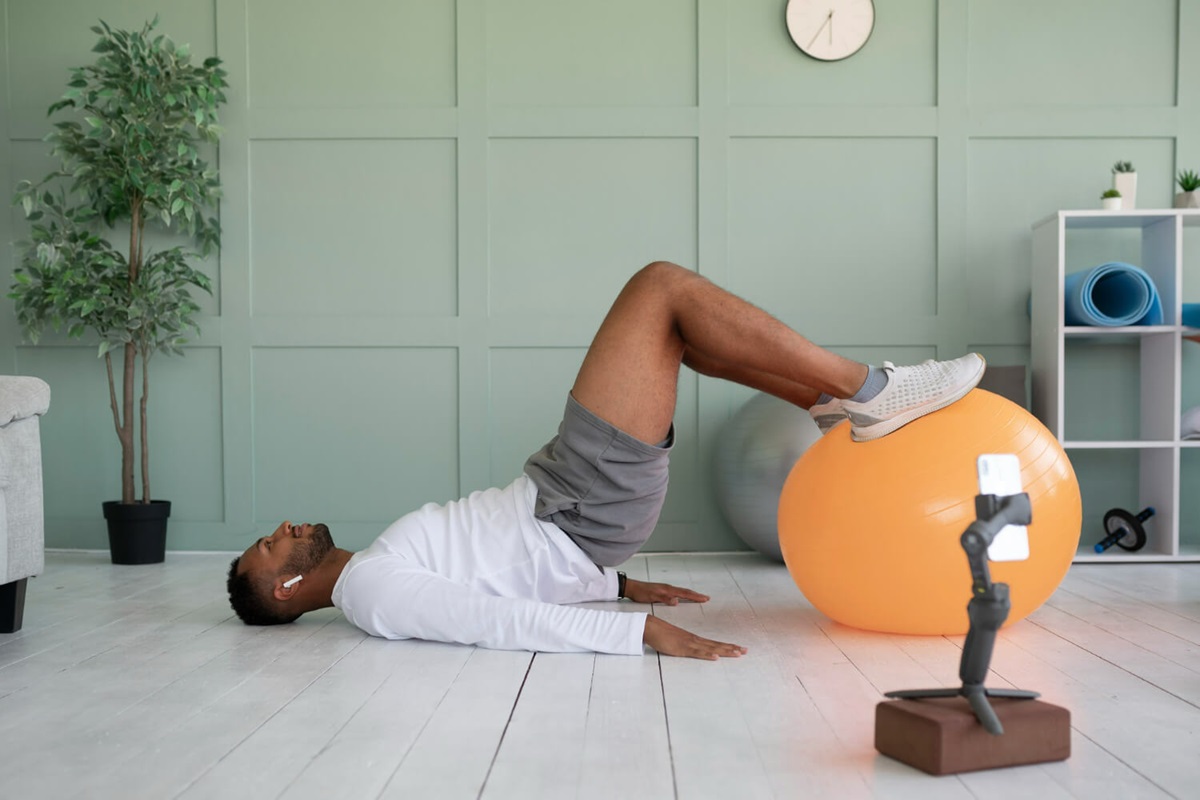
- Do your Kegels – Strengthening your pelvic floor helps support the muscles that control your bladder and bowel, giving you better control day to day. Strong pelvic muscles can also support prostate health, and as an added benefit, may help improve erections and delay ejaculation.
- Watch your weight – Carrying excess weight can put added pressure on your bladder and pelvic floor, increasing the risk of leaks. Maintaining a healthy weight through balanced eating and regular exercise can make a real difference.
- Eat for your pelvic health – A fibre-rich diet helps prevent constipation, which is important because straining can weaken your pelvic floor muscles over time. Keeping things regular reduces unnecessary pressure on these muscles.
- Take care when cycling – Long periods on a bicycle can place pressure on the perineum (the area between the scrotum and anus). Try to stand up on the pedals regularly, wear padded shorts, or consider a specially designed saddle to reduce pressure.
- Use the “brace” technique – Before you cough, sneeze, laugh, lift, or change position, gently tighten your pelvic floor muscles. This simple habit can help prevent unexpected leaks.
Lower Urinary Tract Symptoms (LUTS)
Around one in three older men experience Lower Urinary Tract Symptoms (LUTS). These can include needing to urinate more frequently—especially at night (nocturia)—as well as difficulties when passing urine, such as straining, a weak or slow stream, or dribbling afterwards.
Increasingly, research shows a strong link between LUTS and pelvic floor health. When these muscles are weak or not functioning properly, both bladder control and urinary flow can be affected. In some cases, the bladder can also become overactive due to heightened nerve signals, leading to urgency and frequency.
Traditionally, medications such as tamsulosin (Flomax Relief) have been used as a first-line treatment. However, studies now suggest that pelvic floor muscle training can provide similar improvements for some men—offering a drug-free approach to managing symptoms.
For men who are unsure how to correctly engage these muscles, or who want additional support, devices like Kegel8 V For Men can help. By gently stimulating the pelvic floor, they not only support muscle strengthening but may also help calm overactive bladder signals—encouraging better control and more settled bladder function over time.
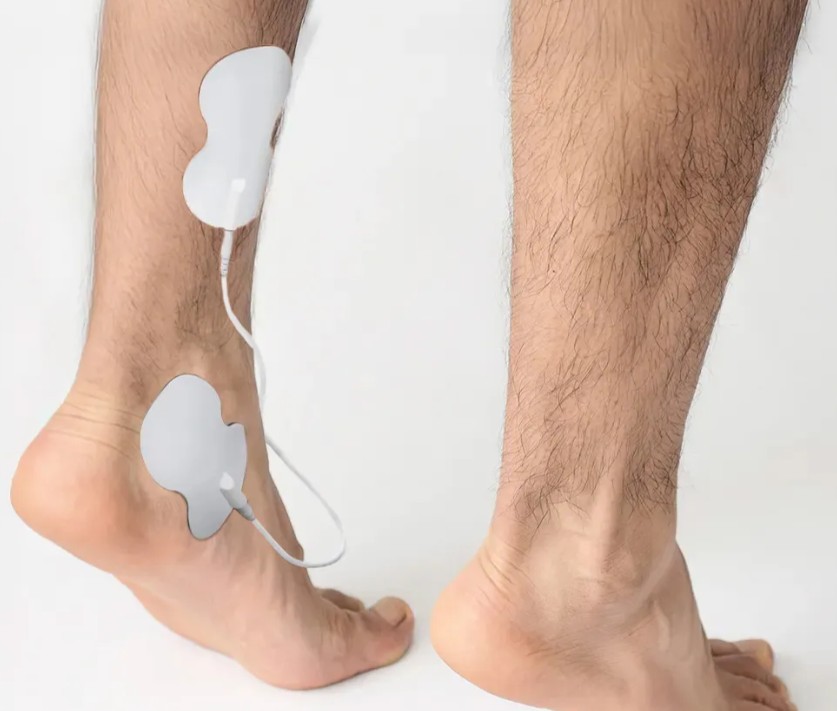
Picture shows how the Kegel8 V For Men can be used to calm a sensitive bladder by using TTNS using skin electrodes (supplied with the Kegel8 V For Men)
Sources & Further Reading
Allanda (2018) Incontinence Statistics [online]. Allanda [viewed 06/01/2025]. Available from https://www.allaboutincontinence.co.uk/incontinence-statistics
Lower Urinary Tract Symptoms in Men: A Review. Up to 40% of men older than 50 years have lower urinary tract symptoms, including urinary urgency, nocturia, and weak urinary stream, due to disorders of the bladder and prostate. [viewed on 20/04/2026]
Effectiveness of electrical stimulation for treating male urinary incontinence after prostatectomy: Electrical stimulation therapy can be an effective treatment option for patients with post-RP UI. It can significantly improve UI symptoms in the short term and has a positive impact on reducing urinary leakage in the long term. https://pubmed.ncbi.nlm.nih.gov/40576184/ [viewed 20/04/2026]
Continence Health Australia Mens Health After-Dribble [viewed 20/04/2026]
Continence Health Australia Mens Health Bladder Control After Prostate Surgery [viewed 20/04/2026]
NHS Choices (Reviewed 2023) Urinary Incontinence: Incontinence Products [online]. NHS [viewed 06/01/2025]. Available from https://www.nhs.uk/conditions/urinary-incontinence/incontinence-products/.
Pelvic, Obstetric and Gynaecological Physiotherapy (2015) Pelvic Floor Muscle Exercises and Advice for Men. PDF. [Viewed 06/01/2025].
Bladder Problems After Treatment for Prostate Cancer Reviewed 5th Aug 2025. Cancer Research UK problems with your bladder Viewed [20/04/2026]
Comment